HNTAS and the Future of Heat Networks: Why Ambient Loop Systems Need Different Thinking
Heat networks are entering a new phase
As we’ve outlined in previous articles, the clean heat in the UK is a sector in motion.
Ofgem regulation for heat networks entered into force in January 2026. HNTAS (the Heat Network Technical Assurance Scheme) is progressing toward phased implementation from 2027. At the same time, heat network zoning is accelerating the role of district and communal energy infrastructure across towns and cities.
Along with other signals, these changes are an important shift in how heat networks are viewed.
For many years, heat networks were often positioned as innovation-led decarbonisation projects. Increasingly, they are being treated as regulated infrastructure - and as such expected to demonstrate operational performance, consumer outcomes, resilience and long-term accountability. Government estimates suggest heat networks could supply around 20% of the UK’s heat demand by 2050, compared to roughly 3% today.
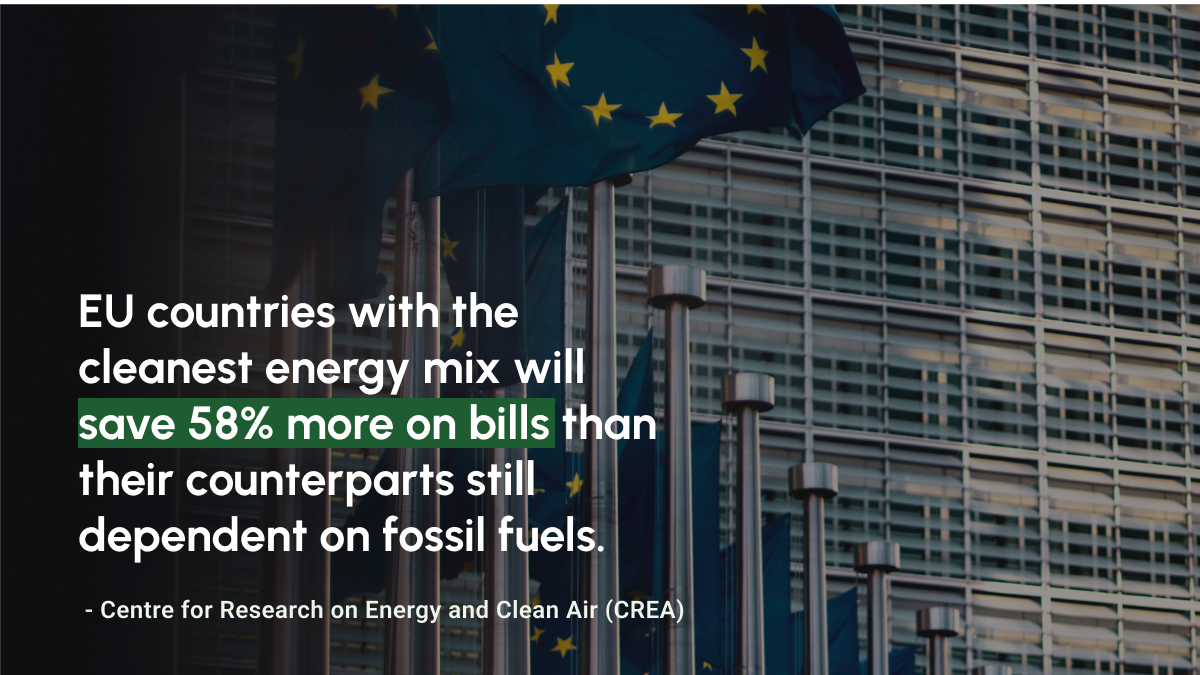
Which is good news, especially when seen in the context of recent analysis from the Centre for Research on Energy and Clean Air (CREA), which reinforces that countries with higher shares of clean electricity generation experience far less exposure to gas-driven power price volatility. EU countries with the cleanest energy mix will save 58% more on bills than their counterparts still dependent on fossil fuels.
This market maturation justifiably creates a more rigorous environment around accountability - and a major opportunity for ambient loop and shared ground loop systems to become a significant part of the UK energy system.
But that opportunity depends on these networks being assessed within HNTAS using metrics and standards that properly reflect how they actually operate.
Let’s get into it.
Why the UK is having this conversation now
The UK’s heating model reflects infrastructure decisions made several decades ago.
The discovery of North Sea gas during the 1960s and 1970s enabled the rapid expansion of the national gas grid - with individual gas boilers creating the highly decentralised heating system that still dominates the UK today.
That delivered affordable and reliable heat for decades. But it also meant the UK never developed district heating infrastructure at the scale seen across parts of Northern Europe.
In many ways, the UK is now playing catch-up.
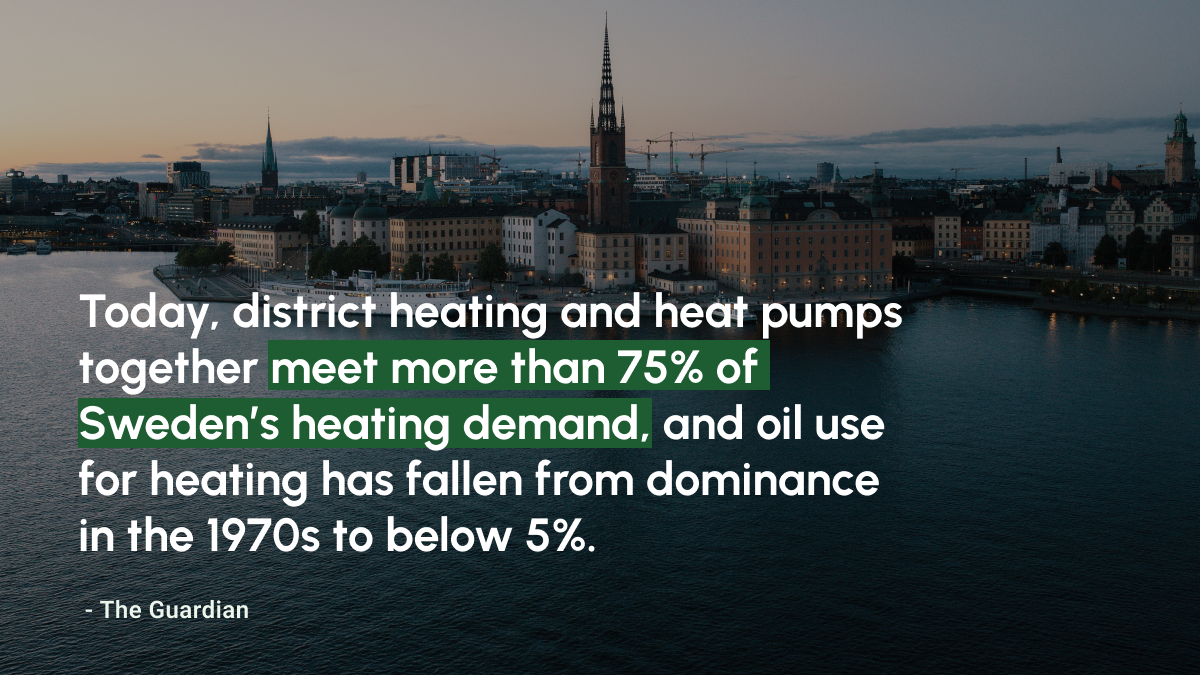
While the UK doubled down on decentralised gas heating, following the oil shocks of the 1970s, Sweden, for example, expanded shared heating infrastructure capable of integrating waste heat, biomass, geothermal energy and large-scale heat pumps across interconnected district networks.
Today, district heating and heat pumps together meet more than 75% of Sweden’s heating demand, and oil use for heating has fallen from dominance in the 1970s to below 5%. (The Guardian)
That transition was also supported by more favourable energy pricing structures for electrification. In Sweden, electricity costs around 1.3 times the price of gas per kWh. In the UK, electricity is more than four times the price of gas.
Although gas has historically continued to set wholesale electricity prices, the relationship is expected to change significantly over the coming decade. National Energy System Operator projections suggest gas could set UK electricity prices only around 15% of the time by 2030, compared to more than 90% historically.
This all makes the need to deliver clean heat well, especially timely: the data suggests that the faster the UK can transition toward clean electricity and electrified heating, the more resilient and less exposed the energy system becomes to fossil fuel price volatility.
The UK is now attempting to accelerate the transition that Nordic countries started decades ago: that creates an immediate need for heat networks to demonstrate reliable operational performance, long-term efficiency, and consumer value at scale: ultimately building trust in a once-in-a-generation shift in how the country heats and cools buildings.
HNTAS is intended to support heat networks’ success and deliver on the vision to “Enable low-emissions, reliable and affordable heat to be delivered to UK communities via heat networks” by introducing a more consistent, evidence-led approach to technical assurance across the sector.
You can read more about the evolving heat network landscape in our article: ‘Heat Network Zoning Explained: What Developers and Local Authorities Need to Know in 2026’.
HNTAS changes how heat network performance is evidenced
HNTAS is important because it signals a shift toward “performance-based assurance”. Historically, heat network compliance has focused heavily on design intent, commissioning documentation and theoretical efficiency calculations.
Under HNTAS, from 2027, systems will need to demonstrate how they perform operationally with outcomes becoming central to their assessment.
For the industry, this is ultimately a positive evolution: mature infrastructure sectors should rely on evidence-led performance rather than concept-level ambition.
The challenge is ensuring the frameworks used to assess heat networks evolve with consideration for technologies like ambient heat networks and shared ground loop systems - which are crucial to realising the stated vision of the scheme.
Why ambient loop systems need different thinking
Ambient loop and shared ground loop systems introduce operating characteristics that differ fundamentally from conventional low-temperature hot water (LTHW) district heating networks.
In traditional district heating, heat is generated centrally and distributed around the network at elevated temperatures.
Whereas, in ambient loop systems, water circulates around the network at much lower temperatures - often close to ground temperature - while individual water-source heat pumps raise temperatures locally within buildings or dwellings.
These differences in how the network behaves operationally change how performance should be assessed.
Key differences can include:
- Significantly lower distribution losses
- Different insulation requirements
- Distributed rather than centralised heat generation
- Bidirectional energy exchange and simultaneous heating/cooling across connected buildings
- Thermal balancing opportunities across connected buildings
- Different metering and billing structures
- Different approaches to monitoring and operational KPIs
At Genius Energy Lab, this is an area we are closely involved with. Chris Davidson (CTO) is part of the industry working groups contributing to the development of updated Technical Standards (TS0 and TS1) covering ambient heat networks and shared ground loop systems.
One of the key challenges emerging through that process is ensuring that assurance frameworks remain technically aligned and proportionate for these newer network architectures. Existing assumptions around thermal losses, metering, monitoring, and systems do not always translate neatly to ambient and GSHP-led networks operating at much lower temperatures.
If conventional district heating assumptions are applied too rigidly to low-temperature distributed systems, there is a risk of introducing unnecessary complexity, cost or distorted performance comparisons for systems with fundamentally different operating characteristics.
Helping the GSHP sector become HNTAS-ready
HNTAS marks an important moment for the sector as it reinforces the broader shift toward operational accountability and infrastructure-grade heat networks.
As the UK moves toward greater electrification, the quality and reliability of low-carbon heat infrastructure becomes increasingly important to national energy resilience, long-term affordability for its citizens and reducing our collective exposure to gas-driven energy pricing.
Ambient loop and GSHP-led heat networks’ ability to operate at low temperatures, recover and redistribute energy, support simultaneous heating and cooling, and integrate with long-term electrification strategies makes them a cornerstone of future heat network deployment and the country’s journey away from legacy heating models.
The sector is still in an important transition phase, with standards and assurance approaches evolving in real time. The challenge now is ensuring that they evolve appropriately alongside these systems.
Genius’ team is pleased to be at the frontline of the industry conversations shaping HNTAS frameworks to accommodate the nuances of how these ambient heat networks and shared ground loop systems actually operate, not simply how previous generations of district heating were designed.
And, ultimately, deliver a generational overhaul in how we heat and cool our society.
“The success of HNTAS will depend on recognising that ambient heat networks and GSHP-led systems operate very differently from conventional heat networks.
There is already deep technical expertise within the sector, alongside established standards such as MCS and the HPA UK Vertical Borehole Standards that have evolved over the last 20 years. Listening to those with long-term, practical experience designing and operating these systems will be critical to ensuring the framework supports innovation without creating unnecessary duplication or complexity.”
Chris Davidson, Chief Technical Officer, Genius Energy Lab
To continue the conversation on heat networks or HNTAS, please do contact our team.

Insights from the GSHP experts
Catch up with our latest news and explore our industry knowledge