
Designing Low-Carbon Heating and Cooling for City Centre Developments
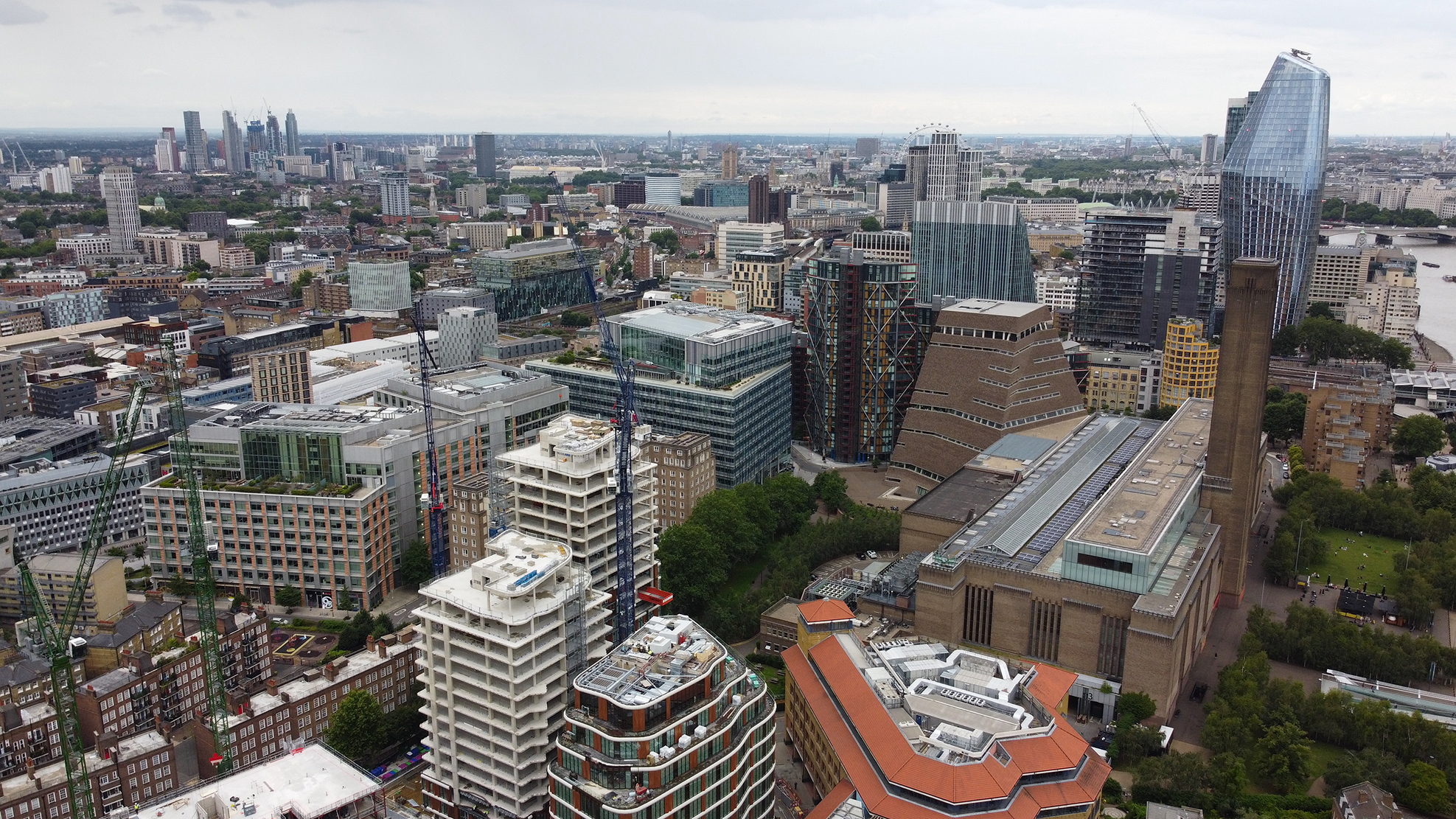
City centre developments present some of the most complex challenges in the transition to low-carbon heating. Dense sites, underground infrastructure and commercial pressures all shape what can be delivered, particularly across high-density residential, mixed-use and regeneration schemes.
Rising sustainability targets and planning expectations are prompting developers, contractors and design teams to reassess conventional heating strategies. The chosen approach must reduce operational carbon while supporting efficient heating and cooling, protecting valuable floorspace and limiting delivery risk.
Ground source heat pump (GSHP) systems and ambient loop networks offer a practical route forward. Using the ground beneath a site as a long-term energy asset reduces reliance on large rooftop plant and gives design teams more options as heat network zoning and urban energy planning develop.
Why Ground Source is Well-Suited to City Centres
Ground source heat pump systems offer several advantages for high-density urban developments. They can help address many of the technical, commercial and operational considerations associated with complex city centre schemes, helping project teams to:
Protect valuable floorspace
Ground source systems make use of the space beneath a site, reducing the need for large rooftop plant or extensive above-ground infrastructure.
Navigate complex urban sites
Existing utilities, transport infrastructure and neighbouring assets require careful planning and coordination, particularly where below-ground works form part of the energy strategy.
Support planning and delivery
Early feasibility work helps identify site constraints, improve design coordination and reduce delivery risk before construction begins.
Integrate heating and cooling
Ground source systems provide an efficient energy source for developments with year-round heating and cooling requirements, making them well suited to mixed-use and higher-performance buildings.
Prepare for future heat networks
Ground source systems can form the foundation of ambient loop networks, helping projects support future energy sharing and respond to changes in heat network infrastructure.
Where Ground Source Delivers the Greatest Value
GSHP and ambient loop systems are particularly effective where energy infrastructure needs to support the wider objectives of the project.
They can be successfully applied across a range of city centre schemes, including:
- High-density residential developments, including apartments and build-to-rent projects.
- Mixed-use buildings combining residential, commercial, retail or leisure spaces with varying heating and cooling demands.
- City centre regeneration schemes, where constrained sites and existing infrastructure require careful coordination.
- Sites with limited rooftop or plant room space, where preserving revenue-generating floorspace is a commercial priority.
- Projects requiring year-round heating and cooling, particularly where occupant comfort and operational performance are key considerations.
- Large urban estates that may need to adapt to future heat network zoning or connect with wider low-carbon energy infrastructure over time.
Considering ground source early gives project teams the information they need to make informed design decisions from the outset.
The Rise of Ambient Loop Networks
Ambient loop networks enable heating and cooling to be delivered through shared infrastructure operating at much lower temperatures than traditional heat networks. Individual heat pumps raise or lower temperatures where they're needed, reducing distribution losses across the network.
For city centre developments, this approach supports mixed-use buildings, phased construction, energy sharing and future heat network connections.
Government policy is increasingly recognising the role of low-temperature heat networks in urban decarbonisation. Read our blog, The Infrastructure Challenge Behind Urban Heat, to explore what this means for future city centre developments.
Designing for the Future Heat Network Landscape
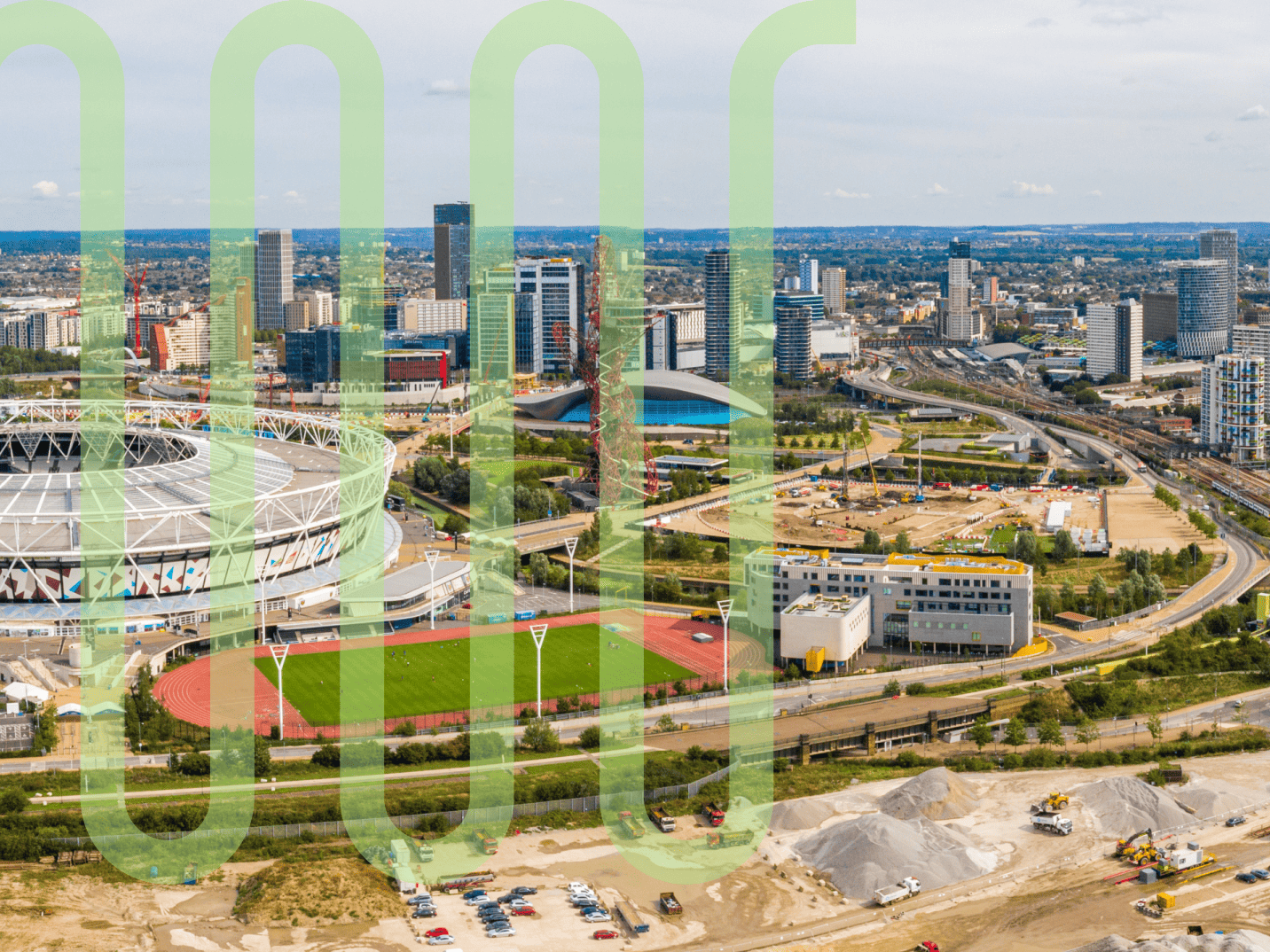
The UK's heat network landscape is evolving, bringing new considerations for developers, contractors and design teams working on large urban schemes. With Heat Network Zoning due to be introduced from 2026, city centre developments are likely to face new expectations around how heating infrastructure is planned and delivered.
Heat Network Zoning
Many city centre locations are expected to be among the first areas assessed for Heat Network Zoning. While not every scheme will fall within a designated zone, considering future heat network compatibility during the early design stages can help keep options open as local energy infrastructure develops.
Planning Ahead
Energy infrastructure decisions made during the early design stages can influence how easily a scheme responds to future policy, local energy planning and network opportunities. Assessing ground source systems and ambient loop networks from the outset provides greater confidence that today's design decisions will continue to support future requirements.
Supporting Urban Decarbonisation
The Government has identified heat networks as an important part of the UK's transition to net zero, with ambitions for them to supply around 7% of the UK's heat demand by 2035. This direction of travel reinforces the value of considering low-carbon heat infrastructure early in the design process. For project teams, early consideration of heat network compatibility helps ensure energy strategies remain aligned with both project objectives and the UK's evolving approach to urban heating.
Case Study
52 Avenue Road, London

A luxury residential development in central London required a low-carbon heating solution that could be integrated within the constraints of a dense urban site.
Genius Energy Lab designed a ground source heat pump system that supports the project's carbon reduction objectives while making efficient use of the available site. Early involvement allowed the energy strategy to be integrated from the outset, helping the wider design team address the technical challenges of delivering low-carbon heating within a city-centre site.
Project Snapshot
- Constrained central London site
- Ground source heat pump system integrated into high-density residential scheme
- Low-carbon heating designed from the early project stages
- Supports ambitious carbon reduction targets
- Makes efficient use of constrained urban space
How Genius Energy Lab Supports City Centre Developments
Ground source and ambient loop systems require careful coordination from the earliest stages of a project. As an independent design consultancy, Genius Energy Lab works alongside developers, contractors, architects and MEP consultants to provide the technical expertise needed from early feasibility through to detailed design and delivery support. Working as part of the wider project team helps improve coordination, reduce technical risk and support successful project delivery.
Our consultancy includes:
- Feasibility studies to assess whether ground source and ambient loop systems are appropriate for the site and project objectives.
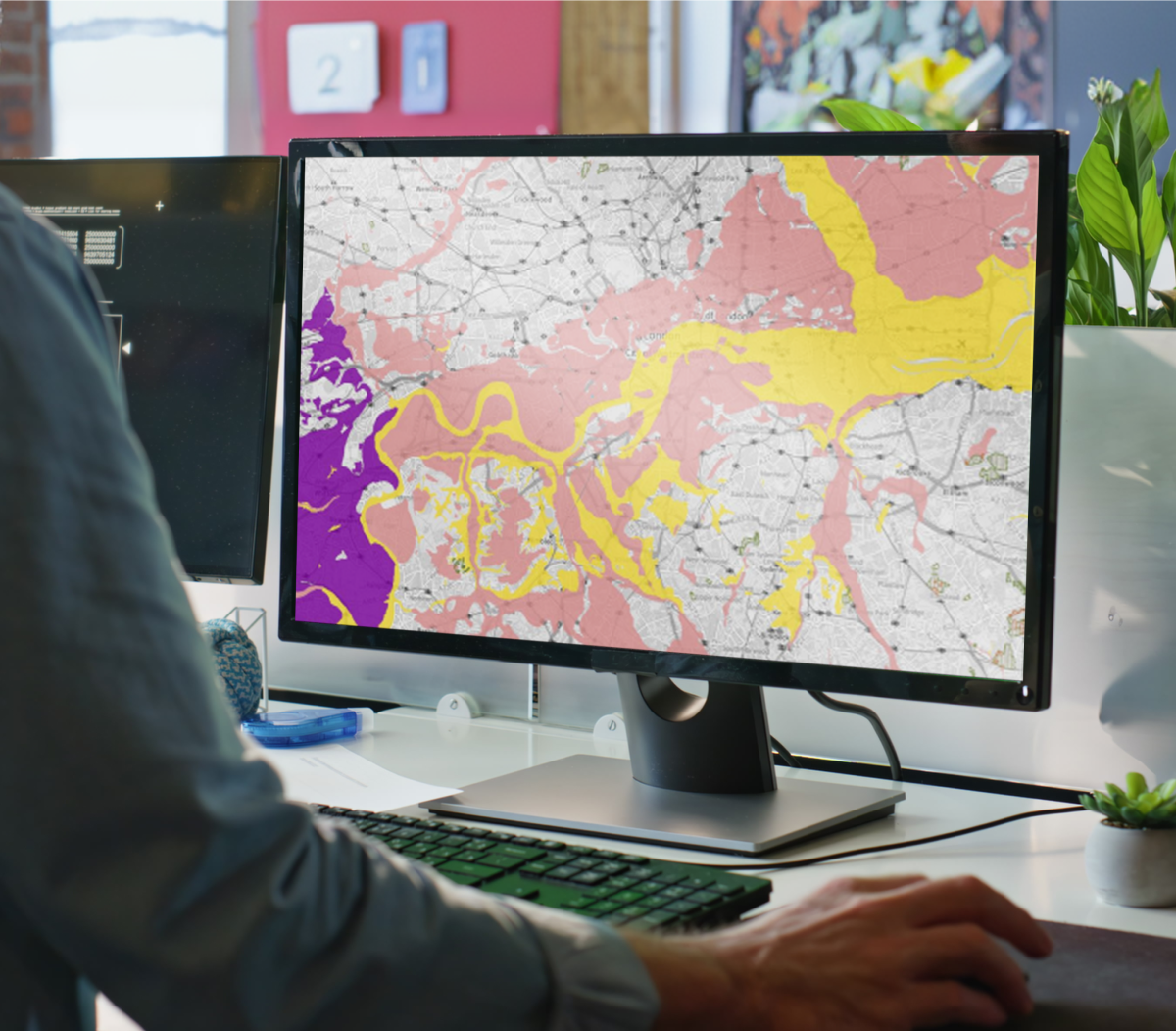
- Ground and geological assessments to understand site conditions and identify potential opportunities or constraints.
- Energy strategy development aligned with planning requirements, sustainability targets and operational needs.
- Ground source heat pump and ambient loop design tailored to the technical and commercial requirements of each scheme.
- Procurement support to help project teams select the most appropriate delivery partners.
- Delivery oversight to ensure the design intent is maintained through construction and commissioning.
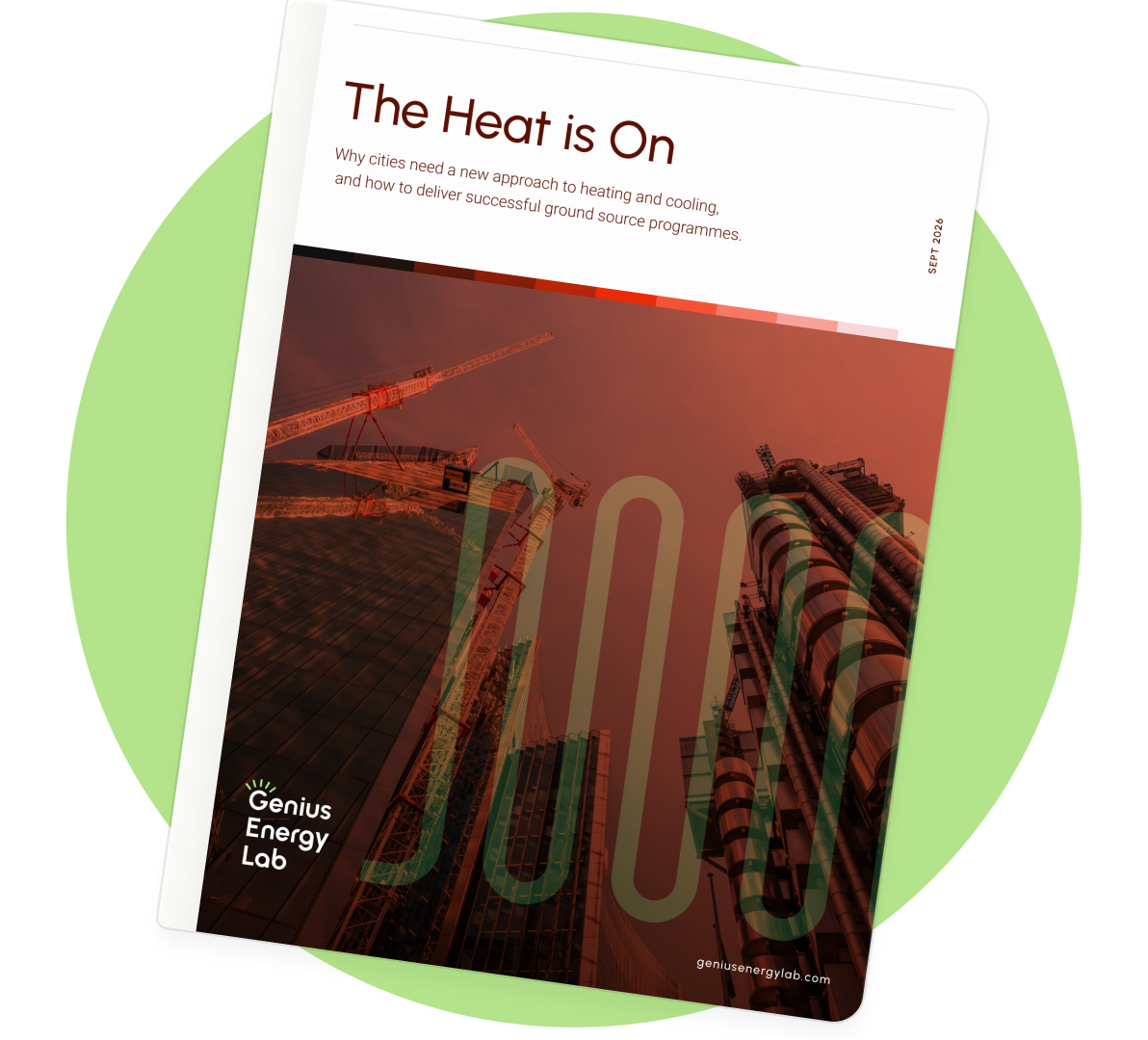
Download The Heat Is On
Dense urban developments demand a different approach to heating and cooling.
Around nine in ten UK homes could face overheating by 2050, while growing urban density is putting increasing pressure on available space and energy systems.
The Heat Is On explores how ground source heat pumps and ambient loop networks can help project teams overcome space constraints, improve early-stage feasibility and support long-term urban energy infrastructure.
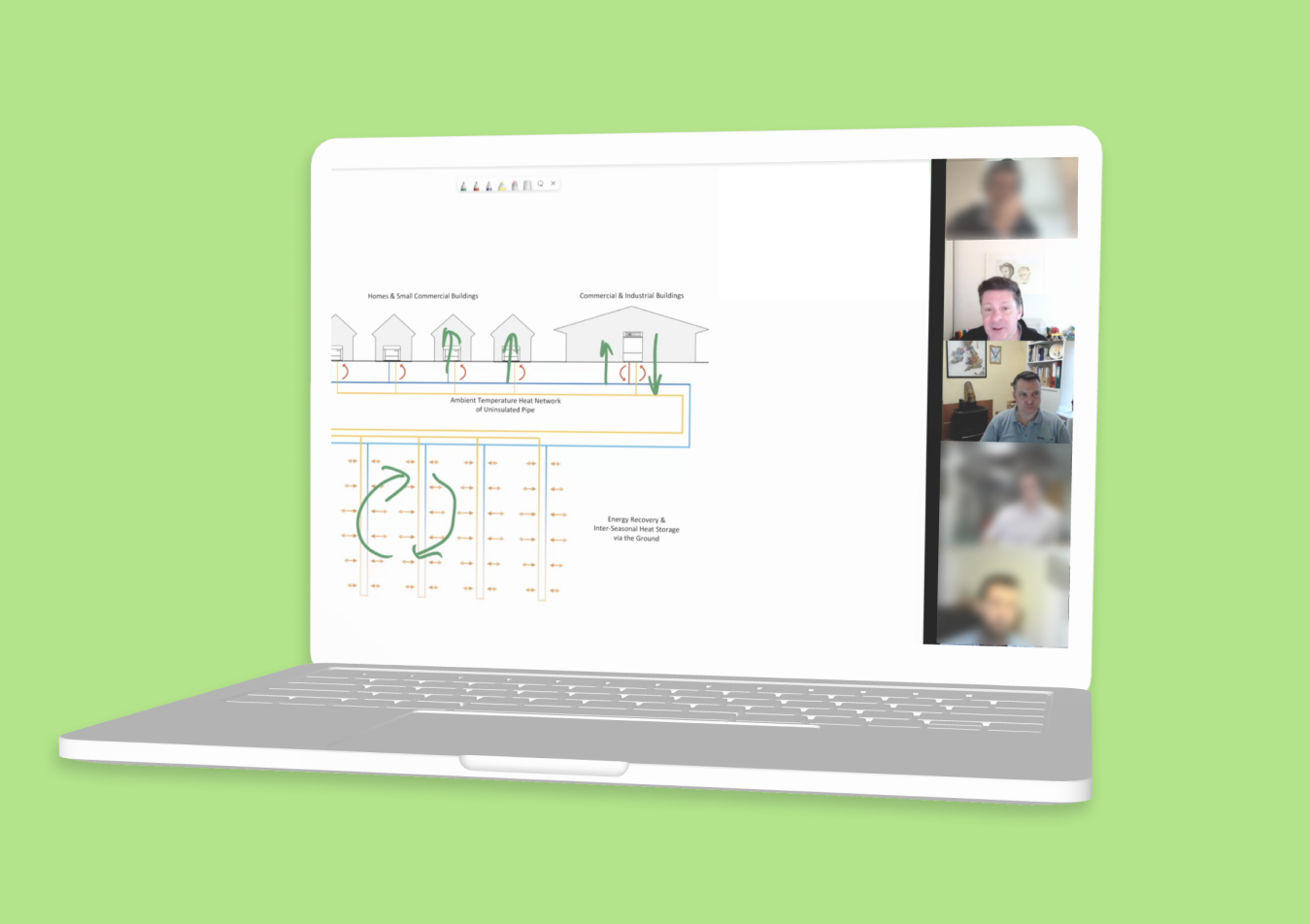
Lunch & Learn Webinars: Ground Source Heat Pump Systems Explained
Planning a city centre development and exploring ground source heat pumps or ambient loop networks?
Our Lunch & Learn sessions are designed for developers, contractors, architects and consultants exploring the role of GSHP in complex urban schemes.
Delivered online, each interactive session is tailored to your team's projects, with plenty of opportunity to ask questions and discuss specific challenges.
Online • 60 mins